Moving to Maui is a dream come true for many people, but turning that dream into reality requires thoughtful planning. From understanding the cost of living and housing market to coordinating the shipment of your belongings across the Pacific, relocating to an island comes with unique considerations. This guide walks you through what to expect when moving to Maui and how to prepare for a smooth transition to life on island.
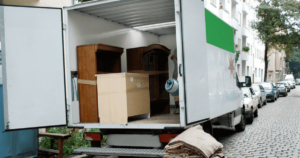
Moving to Maui: Quick Start Guide
Relocating to Maui involves more planning than a typical mainland move, but with the right preparation, it can be a smooth and exciting transition. Before making the move, most people focus on a few essential steps to prepare for island living.
The most important steps when moving to Maui include:
• researching neighborhoods and housing options across the island
• understanding Maui’s cost of living and monthly expenses
• planning how to ship household belongings to Hawaii
• arranging temporary housing if your new home is not ready
• preparing documents, travel plans, and vehicle transport if needed
Because Maui is separated from the mainland by thousands of miles of ocean, transporting furniture and personal belongings requires coordination with ocean freight carriers and local movers. Many families choose to work with experienced island movers who understand how to move household goods safely to Maui and deliver them to homes across the island in quality shape.
What to Expect When Moving to Maui
For people considering a fresh start in Hawaii, moving to Maui is the perfect balance between natural beauty and community living. The island offers gorgeous beaches, warm weather throughout the year, and a lifestyle centered around outdoor activities and close-knit neighborhoods. At the same time, relocating here requires thoughtful preparation, especially for those coming from the mainland.
Unlike a typical interstate move, relocating to Maui requires coordinating ocean shipping, planning travel arrangements, and understanding how daily life on an island differs from that in large mainland cities and suburbs. Housing availability, transportation, and the cost of living can all shape how people approach their move.
This blog is designed to help you navigate many necessary decisions. In the sections ahead, we’ll explore Maui’s unique areas, the local job market, housing considerations, and the practical steps involved in transporting your belongings to the island. Whether you’re relocating for work, lifestyle, or family reasons, having a clear understanding of what to expect can make the transition a lot less stressful.
At Wailea Movers, we assist families and individuals relocating to Maui by coordinating household moves, packing services, and deliveries across the island. With thoughtful preparation and the right support, moving to Maui can offer a surprisingly soft landing.
Quick Overview: What Makes Maui Unique
Maui is often described as one of the most beautiful islands in the world, but what truly sets it apart is the balance between its landscapes, friendly communities, and a relaxed pace of life. For many people relocating from the mainland, adjusting to the rhythm of island living is the most anticipated part of the move.
One of Maui’s defining characteristics is its diverse geography. Within a relatively short drive, residents can experience sandy beaches, lush rainforests, volcanic landscapes, and rolling farmland. Areas such as Wailea and Kihei offer sunny coastal living with easy beach access, while Upcountry communities like Makawao and Kula provide cooler temperatures and sweeping views of the island.
The island also has a strong sense of community. With a population of around 165,000 residents, Maui feels much smaller than most mainland cities. Local events, farmers' markets, and community events play an important role in everyday life. Many new residents quickly discover that neighbors often know each other and local businesses are an essential part of the community.
Outdoor recreation is another major part of life on Maui. Surfing, snorkeling, hiking, paddleboarding, and ocean swimming are common weekend activities. Residents also enjoy exploring areas such as Haleakalā National Park, the scenic Road to Hana, and the many beaches that line the island’s coastline.
At the same time, living on Maui requires an appreciation for island culture and respect for the land. Locals value sustainability, environmental stewardship, and the preservation of Hawaiian traditions. New residents who take the time to learn about local customs and support community businesses often find it easier to settle into island life.
For many people, moving to Maui means embracing a lifestyle that prioritizes nature, community, and a slower pace compared with busy mainland cities.

Cost of Living Reality Check: Is It Expensive to Live in Maui?
One of the most important questions people ask when planning a move is whether living on Maui is affordable. While the island offers an incredible lifestyle, it is also one of the more expensive places to live in the United States. Understanding the typical cost of living in advance can help new residents plan their budgets and avoid surprises upon arrival.
Housing is usually the largest expense for anyone relocating to Maui. Rental prices and home values tend to be higher than in many mainland cities because housing supply is limited and demand remains strong. Condominiums and ohana’s may offer more attainable options for individuals or couples, while larger single-family homes can command significantly higher monthly costs.
Groceries and everyday essentials also tend to cost more than on the mainland. Because most goods must be shipped to the island, food prices often reflect the cost of transportation. Shopping at local farmers' markets, buying locally grown produce, and planning grocery trips carefully can help residents manage these expenses.
Utilities are another factor to consider. Electricity rates on Maui are generally higher than mainland averages, partly due to the cost of producing power on an island. Many homes rely on natural ventilation rather than air conditioning, which can help reduce monthly energy bills.
Transportation costs can vary depending on lifestyle. While Maui does have a public transportation network, most residents rely on personal vehicles to get around the island. Gas prices are typically higher than the mainland, though daily commutes are often shorter because the island is relatively small.
Below is a simple comparison of certain expenses on Maui with mainland averages.
Expense Category | Typical Maui Cost | Mainland Average
Housing (monthly rent) | $2,200 – $4,500+ | $1,500 – $2,800
Groceries | 15–30% higher | baseline
Electricity | higher than mainland average | lower average
Gasoline | higher than mainland average | lower average
Although living costs can be higher, many residents find that the lifestyle, natural environment, and sense of community make Maui the most worthwhile place to call home.
Best Areas to Live on Maui for Different Lifestyles
Choosing where to live is one of the most important decisions when moving to Maui. Each part of the island offers a different pace of life, climate, and housing style. Some communities focus on resort living and beaches, while others provide a quieter rural atmosphere or convenient access to work and services.
Wailea and South Maui
Wailea is known for its luxury homes, golf courses, and beautiful beaches along Maui’s sunny southern coast. Nearby Kihei offers a more casual beach-town atmosphere with a wider range of condos and residential neighborhoods, making it popular with both longtime residents and newcomers.
Kahului and Wailuku
Kahului and Wailuku form the commercial center of Maui. Kahului is home to the island’s main airport, shopping centers, large retailers like Costco and Walmart, plus many essential services. Wailuku offers a historic town atmosphere and convenient access to government offices, schools, and medical facilities.
Upcountry Maui
Communities such as Makawao, Kula, and Pukalani sit on the slopes of Haleakalā and provide a cooler climate with scenic views. Upcountry Maui is known for its rural character, agricultural areas, and larger properties than those in coastal regions.
West Maui
West Maui includes Lahaina, Ka'anapali, Napili, Honokawai, and Kapalua, known for glorious sunshine, ocean views, resort communities, and popular beaches. Many residential properties are located close to the shoreline, offering easy access to daily outdoor activities.
Choosing the right area often comes down to lifestyle preferences, housing budget, and proximity to work or schools. Exploring several parts of the island before settling on a neighborhood can help new residents find a community that best fits their needs.
Job Market and Remote Work Opportunities
Before relocating to Maui, many people consider how they will earn a living on the island. While Maui offers a wide range of employment opportunities, the job market is much smaller than that of major mainland cities. Understanding the island's main industries can help new residents plan their move and identify potential career options.
Tourism remains one of Maui’s largest industries. Hotels, restaurants, tour companies, and hospitality services employ a large portion of the island’s workforce. Positions in customer service, management, hospitality operations, and recreation are common in resort areas such as Wailea, Ka'anapali, and Lahaina.
Construction and skilled trades also play an important role in the local economy. Ongoing development, home construction, and renovation projects create steady demand for contractors, electricians, carpenters, and other trade professionals.
Healthcare is another significant employment sector on Maui. Hospitals, clinics, and medical offices provide opportunities for doctors, nurses, technicians, and administrative staff. Education is also an important field, with public and private schools, as well as Maui’s community college, employing teachers and support personnel.
In recent years, remote work has made relocating to Maui more accessible for professionals who work for mainland companies. Many new residents maintain careers in technology, consulting, finance, or creative industries while living on the island. Reliable internet service across most residential areas has made this lifestyle increasingly common.
Some individuals choose to start small businesses or work in local services once they arrive on Maui. From real estate and construction to wellness services and hospitality, entrepreneurship plays an important role in the island’s economy.
Whether you plan to work locally or continue a remote career, researching job opportunities and income expectations ahead of time will make the transition to living on Maui much smoother.
Housing Market Overview on Maui
Housing is one of the most important factors to plan for when moving to Maui. Because the island has limited land available for development, housing supply can be tight, and demand remains high. As a result, both rental prices and home values tend to be higher than in many mainland cities.
For people relocating to Maui, rental housing is often the first step before purchasing property. Condominiums are widely available across the island, especially in Kihei, Kahului, and parts of West Maui. Many condos offer amenities such as pools, shared outdoor spaces, and proximity to beaches or shopping areas.
Single-family homes are also available throughout Maui, though they typically come with higher monthly costs. Homes located near the ocean or within resort communities such as Wailea or Ka'anapali often command premium prices. More affordable options can sometimes be found in Central Maui or various Upcountry locales.
The rental market can move quickly, especially during busy seasons when new residents and seasonal workers arrive on the island. Because of this, many people begin searching for housing well before their move date. Some newcomers choose to rent temporary accommodations for a few months while they explore neighborhoods and wait for long-term housing opportunities.
For buyers, Maui’s real estate market offers a range of options, including condominiums, townhomes, and larger residential properties. However, competition is definitely strong in desirable areas. Working with a local real estate professional can help buyers understand the market and navigate the purchasing process. Being pre-approved makes you better prepared and more attractive to sellers.
Planning ahead is key when it comes to housing on Maui. Whether you intend to rent or buy, researching neighborhoods, setting a realistic budget, and allowing extra time for the search can make the relocation experience far less stressful.
Healthcare and Schools on Maui
Access to healthcare and quality education are important considerations for families and individuals planning a move to Maui. While the island is smaller than most mainland metropolitan areas, residents still have access to essential medical services and a variety of educational options.
Maui Memorial Medical Center in Wailuku is the island’s primary hospital and provides a wide range of medical services, including emergency care, surgery, and specialty treatment. In addition to the hospital, Maui has a large Kaiser Permanente network, numerous clinics, urgent care facilities, and medical offices across the island. Areas such as Kahului and Wailuku tend to have the highest concentration of healthcare providers, making them convenient locations for medical services.
For specialized care, some residents occasionally travel to Oahu, where larger medical centers are located. However, for routine healthcare needs, Maui’s network of doctors, clinics, and hospitals generally meets the needs of most residents.
Families moving to Maui will also find a range of public and private school options. The Hawaii Department of Education operates public schools throughout the island, serving communities from Lahaina and Kihei to Upcountry and Hana. Many families also explore private schools, which offer smaller class sizes and specialized academic programs.
In addition to primary and secondary education, Maui is home to the University of Hawaii Maui College in Kahului. The campus offers degree programs, vocational training, and continuing education opportunities for students and working professionals.
When planning a move, researching nearby schools and healthcare facilities can help families feel more confident about settling into their new community.
Climate and Weather by Region on Maui
One of the biggest appeals of living on Maui is the island’s warm, consistent climate. Temperatures typically range from the mid-70s to mid-80s throughout the year. While the island is known for its sunshine, Maui has several microclimates, so weather conditions can vary by region.
South Maui, including Kihei and Wailea, is one of the sunniest and driest areas of the island. Residents enjoy warm year-round temperatures and easy access to beaches and outdoor activities.
Upcountry communities such as Makawao, Kula, and Pukalani sit higher on the slopes of Haleakalā. These areas tend to be cooler and breezier, offering scenic views and a more rural atmosphere.
West Maui, including Lahaina and Ka'anapali, also experiences warm temperatures and beautiful coastal conditions, with occasional rainfall during certain seasons.
Central Maui, which includes Kahului and Wailuku, can be warmer during the day and windier at times because of its location between the island’s mountain ranges.
How the Moving Process to Maui Actually Works
Relocating to Maui involves a few additional steps compared with a typical mainland move. Because the Hawaiian Islands sit more than 2,000 miles from the continental United States, most household belongings are transported by ocean freight before reaching their final destination on the island.
The process usually begins with packing and preparing household goods at the origin location. Professional movers can pack furniture, protect fragile items, and organize belongings so they are ready for long-distance transportation. Once packed, the shipment is transported to a departure port on the West Coast, most commonly in California.
From there, cargo ships carry containers across the Pacific Ocean to Hawaii. Major ocean carriers like Matson and Pasha operate regular shipping routes between mainland ports and Honolulu (island of Oahu). Honolulu serves as the primary entry point for the majority of cargo entering the state.
If the final destination is Maui, the shipment typically continues from Oahu to Maui via inter-island freight services operated by Young Brothers. Cargo is transported between islands by barge and then delivered to a local warehouse or distribution point.
Upon arrival in Maui, a local moving company completes the final stage of the move. Movers unload the shipment, transport the belongings to the new residence, and place furniture and boxes in the appropriate rooms. Some customers also choose additional services such as unpacking, storage, or furniture assembly to make settling into their new home easier.
Because multiple transportation stages are involved, planning ahead is especially important when moving to Maui. Coordinating packing schedules, shipping timelines, and delivery appointments helps ensure that household goods arrive safely and close to the planned move-in date.
Typical Cost of Moving to Maui
One of the most common questions people ask when planning a relocation is how much it costs to move to Maui. The total cost can vary widely depending on several factors, including where the move begins, the size of the household, and the shipping method used to transport belongings to the island.
For most mainland relocations, the largest portion of the cost comes from transporting household goods across the Pacific Ocean. Smaller shipments that include only a few rooms of furniture are typically less expensive because they require less container space. Larger households with multiple bedrooms, appliances, and heavy furniture require more space and handling, which increases the overall cost.
Below are general cost ranges that many households encounter when relocating to Maui.
Move Size | Estimated Cost Range
Studio or one-bedroom apartment | $3,500 – $6,500
Two-bedroom household | $5,500 – $9,500
Three-bedroom home | $7,500 – $12,500
Large household move | $10,000 – $18,000+
Distance from the mainland also plays an important role in determining the final cost. Moves originating from West Coast states such as California, Oregon, or Washington are often more affordable because shipments travel shorter distances before reaching the departure port. Relocations from the Midwest or East Coast typically involve additional transportation before the shipment reaches the ocean carrier.
Other factors can also influence the overall price of the move. Professional packing services, temporary storage, vehicle transport, and special handling for fragile items may add to the total cost of the move.
Because every relocation is different, many families request personalized moving estimates before finalizing their plans. This allows them to compare shipping options, understand potential expenses, and create a realistic moving budget before arriving on Maui.
Timeline: Your 6-Month Moving to Maui Plan
Relocating to Maui is easier when the move is planned well in advance. Because shipping household belongings across the Pacific takes time, many people begin preparing several months before their move date. A simple timeline can help you stay organized and reduce last-minute stress.
Six Months Before Moving
Start by researching different areas of Maui and deciding which communities best fit your lifestyle. This is also a good time to review your budget and estimate your cost of living on the island. If you plan to work locally, begin exploring job opportunities or confirming remote work arrangements.
You may also want to start downsizing your belongings. Shipping fewer items can help reduce moving costs and make the relocation easier.
Three Months Before Moving
Around three months before your move, begin making concrete arrangements. Secure housing if possible, or arrange temporary accommodations if your long-term home will not be ready immediately.
This is also the ideal time to contact moving companies that handle shipments to Hawaii. Scheduling early helps ensure your belongings can be packed and shipped according to your timeline.
One Month Before Moving
During the final month before the move, begin packing essential items and organizing important documents. Confirm travel plans, vehicle shipping arrangements if necessary, and any delivery schedules for your household belongings. Make sure to label boxes clearly and separate the items you will take with you on your trip.
Moving Week
As moving week approaches, finalize travel plans and prepare for your arrival on Maui. Many people pack a small set of essentials, including clothing, documents, and important electronics, to use while waiting for their shipment to arrive.
Once you arrive on the island, coordinating delivery with your movers will allow you to settle into your new home and begin adjusting to life on Maui.
Tips for Planning a Smooth Maui Relocation
Relocating to Maui can feel complex at first, but a few practical steps can make the process much easier. Careful preparation and realistic expectations help ensure that your transition to island life goes as smoothly as possible.
One of the most effective ways to reduce moving costs is to declutter before packing. Shipping household goods across the ocean can be expensive, so many people choose to sell, donate, or store items they no longer need. Bringing only essential furniture and belongings often simplifies the move. It’s also worth considering how your personal effects may respond to living in a tropical environment. For example, vinyl records, old family photos, and precious antique furniture may be affected by mold and moisture. Take careful consideration before packing antiques, collectibles, and keepsakes to Maui if you’ll be living in one of the more humid areas of the island.
Planning temporary housing can also be helpful. Because shipping times can vary, some families arrive on Maui before their belongings. Renting a short-term apartment or vacation rental during the first few weeks allows time for shipments to arrive and provides flexibility as you settle in.
It is also important to organize important documents in advance. Identification, medical records, financial documents, and housing paperwork should travel with you rather than being packed into a shipment.
Finally, working with movers who understand how shipments to Maui work can make a significant difference. With Wailea Movers, packing, shipping schedules, and final delivery are coordinated so your belongings arrive safely and close to your expected move-in date.
FAQ: Moving to Maui
How much does it cost to move to Maui?
Moving to Maui typically costs between $3,500 and $18,000, depending on the size of the shipment, the origin location, and the moving services.
What should I know before moving to Maui?
New residents should prepare for a higher cost of living, limited housing availability, and a slower pace of island life compared with most mainland cities.
How do I move to Maui from the mainland?
Most households ship their belongings by ocean freight from West Coast ports to Hawaii, where local movers complete delivery to homes across Maui.
Is it expensive to live in Maui?
Living on Maui is generally more expensive than in many mainland areas, particularly for housing and groceries. But the lifestyle makes it worth it!
How long does it take to move to Maui?
Most shipments from the mainland take about 1 to 3 weeks to arrive in Hawaii, depending on shipping schedules and the origin location.
Can you ship furniture to Maui?
Yes. Furniture and household goods are commonly transported to Maui using shipping containers or shared container space through ocean freight carriers.
Time to Move to Maui!
Moving to Maui is a major life decision, but with thoughtful preparation, it can become an exciting new chapter. From choosing the right neighborhood to coordinating the shipment of your belongings, each step of the process brings you closer to enjoying life on one of Hawaii’s most beautiful islands.
If you are planning a move to Maui, working with experienced island movers can help simplify the process and reduce stress. Wailea Movers assists individuals and families relocating throughout Maui by coordinating packing, shipping, and final delivery across the island.
Whether you are relocating from the mainland or moving within the Hawaiian Islands, the team at Wailea Movers is ready to help you plan your move with confidence. Contact us to request a moving estimate, get a quote, or discuss your upcoming move with the Wailea Movers team. Mahalo for reading!